20th August 2026
How rising temperatures and heatwaves are putting commercial refrigeration to the test

7 Years parts & labour warranty


Brand and Marketing Manager EMEA

In our latest blog, we look at how ingredients in some of the latest European food trends are prepped, held and managed safely. We explore why commercial refrigeration is essential in a professional kitchen and how can high-performance commercial refrigeration and prep tables help chefs ensure freshness, speed and consistent ‘instagrammable’ quality, every service.
In modern European cooking including Nordic, Mediterranean, Pâtisserie and Neo-Bistro (a modern evolution of the classic French bistro which blends casual, cozy atmospheres and affordable prices with sophisticated, chef-driven, creative techniques) there are some key themes driving menu creation and service, these include:
From a chef’s standpoint, refrigeration isn’t just storage, it is an essential a tool for control, consistency and food safety.
If we look at the ‘everything in its place’ or Mise en place principle, best practice involves preparing ingredients at peak freshness and portioning and labelling for quick delivery during service. This could include vacuum-seals or storage in gastronorm containers and ensuring all raw ingredients are separated, ready-to-eat with clearly labelled allergen items.
Typical Ingredients might include fresh herbs (e.g. dill, chervil, parsley or thyme), root vegetables, alliums, brassicas, fresh pasta doughs and gnocchi or seafood portions, dry-aged or fresh meats, as well as fermented or pickled components.
For chefs, the right commercial refrigeration allows:
True’s prep tables and undercounter refrigeration enable chefs to maintain a service-ready mise en place across long shifts. Forced-air refrigeration keeps temperatures consistent, while gastronorm-compatible layouts help keep ingredients organised and easy to access throughout service.
Common garnishes found on modern European menus increasingly include microgreens, edible flowers, citrus zests, herb oils, shaved vegetables, cured egg yolks, as well as the more traditional fresh fruit, pickled vegetables, capers, olives.
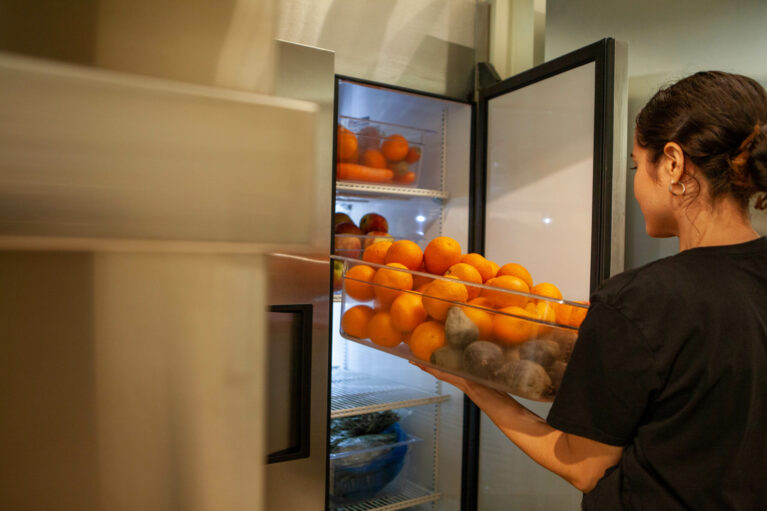
Prepped daily, garnishes need to be stored in shallow containers and protected from natural light to avoid bruising, wilting and discoloration. High quality commercial refrigeration helps to keep delicate garnishes, such as micro herbs and flowers at ideal humidity and helps slow oxidation in herb oils and citrus ingredients.
They are often the first thing a guest sees, so refrigeration protects visual integrity and ‘instagramability’ as much as maintaining food safety.
True’s prep tables are central to this, allowing chefs to store delicate garnishes in shallow gastronorm pans at consistent temperatures using forced-air refrigeration. This keeps ingredients organised, easy to access and protected during service, while undercounter units provide additional storage close to the pass, supporting both efficiency and product integrity.
From emulsions such as hollandaise, beurre blanc and aioli to reductions like jus and demi-glace or yogurt based, herb sauces and vinaigrettes to fermented miso-styles, sauces are a fundamental accompaniment in modern European meals.
In prep for a busy service, relevant sauces are made up in controlled batched and rapidly cooled in an ice bath or blast chiller – each clearly labelled and dated for first in first out during service as required. A broken or spoiled sauce means wasted labor and ingredients.
The right refrigeration protects both food safety and margins, as it can maintain emulsion stability, slows down any separation and bacterial growth and allows safe holding of high-risk ingredients such as egg yolks, dairy, shellfish stock.
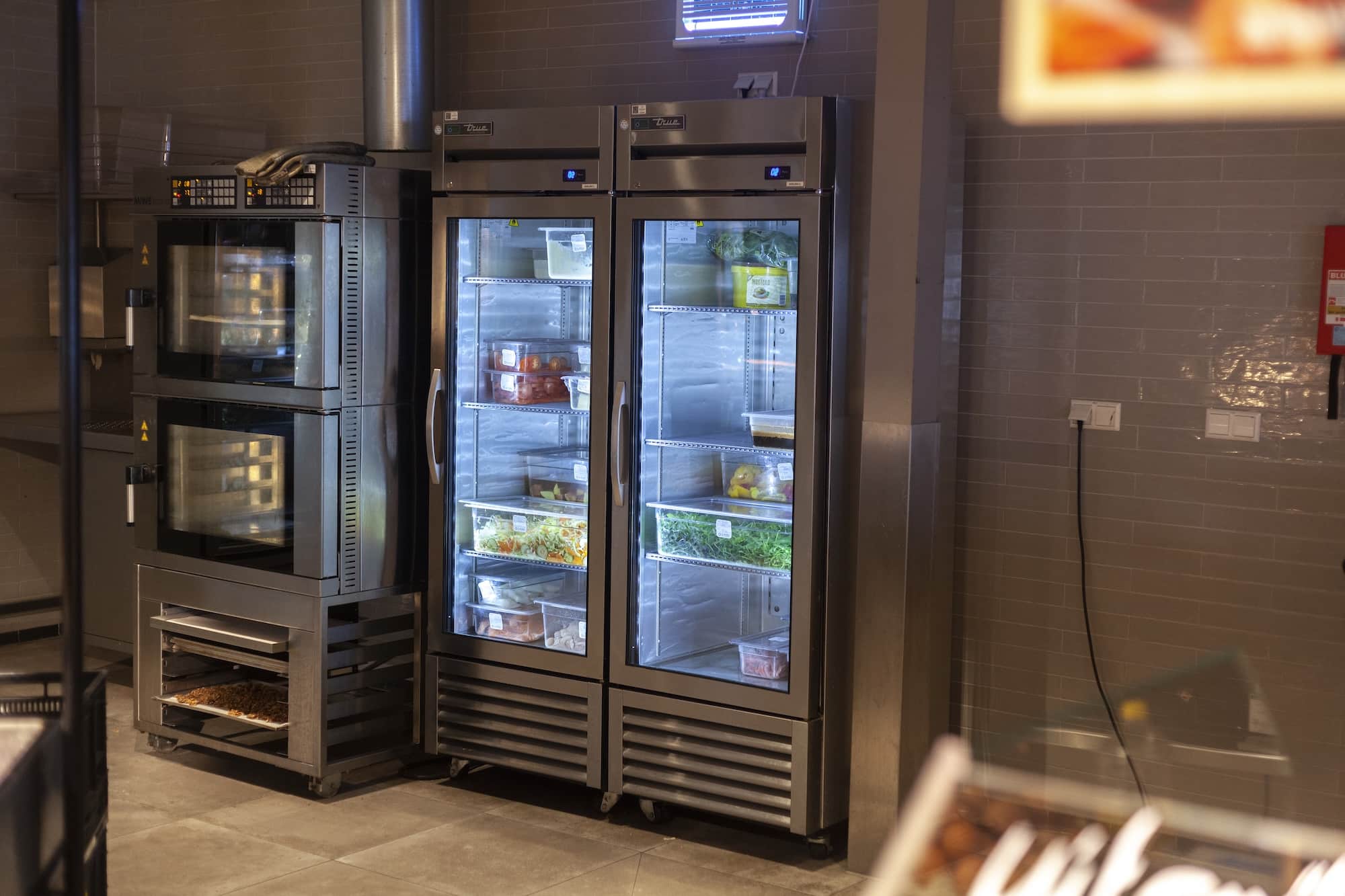
True’s glass door and upright refrigeration technology allows chefs to keep sauces at consistent temperatures, helping to maintain stability and reduce spoilage. Glass door units provide clear visibility of labelled batches, allowing chefs to work ahead without unnecessary door openings and supporting efficiency during service.
No European menu would be complete without an extensive array of desserts and pâtisserie options. Everything from custards, creams and panna cotta to mousse bases, ganache, pastries and croissants must be carefully crafted and stored at precise temperatures to maintain safety, quality and mouth-watering appearance.
Strict temperature control is essential for food safety for egg and dairy based items and to separate raw doughs from finished desserts, while humidity control is important for chocolate and pastry doughs. High quality chiller cabinets and precision control temperatures are important to prevent curdling, weeping or texture loss in desserts and support the precise timings for party preparations. It also helps to extend shelf life, without the need for preservatives, therefore preventing food waste and delivering consistent quality results.
True’s upright and glass door refrigeration allows chefs to hold pâtisserie components at consistent temperatures, helping preserve texture, finish and visual appeal. Glass door units support visibility and timing during service, ensuring desserts are presented at their best.
A chef relies on commercial refrigeration equipment to deliver good quality food, safely.
It is a chef’s responsibility to protect the diners, protect the brand and the work of their team. With strict food safety regulations in place, under counter fridges, prep tables, glass door display cabinets and solid door upright refrigeration units all have a role to play in supporting chefs to accurately record temperatures, prepare and store food with confidence and reduce risks of foodborne illnesses, by holding food at safe temperatures throughout prep and busy service.
Commercial refrigeration is not just cold storage, it is an extension of a chef’s technique. It enables:
Without reliable, high performance, quality commercial refrigeration, modern European cuisine – particularly trend-driven, ingredient-forward menus – can’t be delivered in a professional setting. European kitchens need solutions that provide reliable cooling, efficient workflows and reduces food waste. That’s where Tue can help.